Published: 2026-10-10
Water Heater Drain Valve Replacement Guide
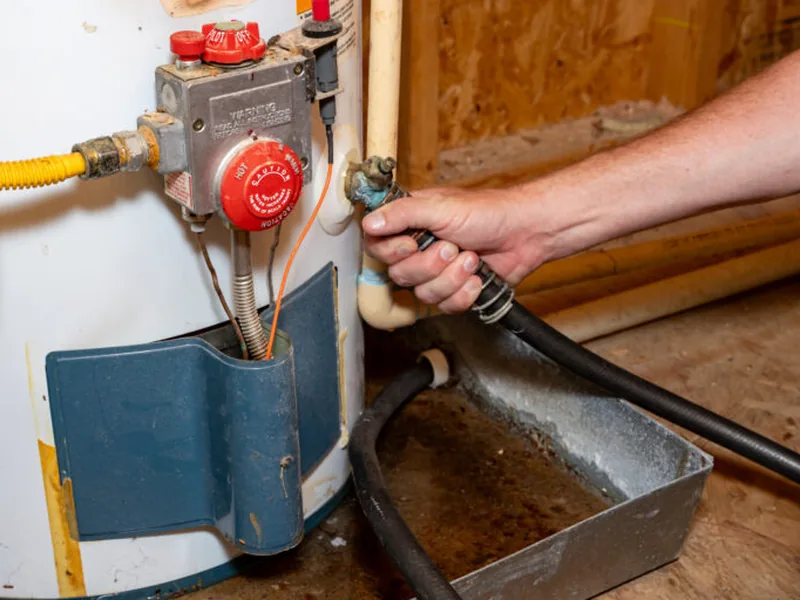
At the bottom of every tank water heater sits a small spigot most homeowners touch once a year — if ever. The drain valve is how you flush sediment from the tank, drain the heater for service, and empty it before replacement. When that little valve starts dripping, it is easy to ignore: a slow drip into a floor drain or garage floor hardly seems urgent. But a leaking drain valve can fail suddenly, especially the cheap plastic valves installed on many factory heaters, turning a drip into a steady stream while you are at work.
In Valrico, drain valves earn extra wear. Hard water leaves mineral sediment that collects around the valve seat, and the grit chews up washers and seals every time the valve is opened and closed. Many local heaters still have their original plastic drain valve after a decade of mineral-rich water — a combination that fails exactly when you need the valve most, during a flush or an emergency drain-down.
Why Drain Valves Leak
Drain valves leak for a handful of predictable reasons. The most common is a worn washer or O-ring inside the valve — years of heat cycling harden the rubber until it no longer seals. Sediment is the second culprit: grit lodged in the valve seat prevents full closure after flushing, so the valve weeps no matter how hard you crank it. Overtightening a plastic valve cracks the body, and cross-threading during installation creates a slow seep from day one.
Plastic (PVC) drain valves, standard on many residential heaters, are the weakest link. They become brittle with age and heat, their handles snap off, and their threads strip. Brass drain valves cost only a little more and last dramatically longer — which is why most plumbers replace a failed plastic valve with brass and never look back.
Signs Your Drain Valve Needs Replacing
- A steady drip from the valve spout that continues after you open and firmly re-close the valve.
- Water seeping around the valve threads where it screws into the tank — this can indicate thread damage or a cracked fitting.
- A broken or spinning handle that no longer opens or closes the valve reliably.
- Heavy sediment clogging the valve so it only trickles during a flush — the valve is partially blocked and likely damaged.
- Visible cracking or discoloration on a plastic valve body, a sign the plastic is breaking down.
A dripping drain valve also wastes hot water continuously, forcing the heater to cycle more often. If your energy usage has crept up and you spot moisture at the base of the heater, the drain valve is one of the first places to check during water heater leak detection.
What Replacement Involves
Replacing a drain valve is a straightforward job with one critical requirement: the tank must be depressurized and drained below the valve level first. The basic sequence:
- Shut off power at the breaker or turn the gas control to pilot/off.
- Close the cold-water inlet valve above the heater.
- Attach a garden hose to the old valve, run it to a safe drain point, and drain the tank — at least below the valve, usually fully for a clean job.
- Unscrew the old valve (a pipe wrench on the valve body, steadying the tank fitting so you do not twist the tank connection).
- Wrap the new brass valve's threads with Teflon tape or pipe dope and thread it in snugly.
- Close the new valve, refill the tank completely, bleed air from a hot tap, then restore power or gas.
Refilling before restoring power is non-negotiable on electric heaters — energizing dry elements destroys them in seconds. On gas heaters, firing an empty tank can warp it. Patience during the refill is part of the job.
Brass vs. Plastic: Making the Upgrade
If your heater has a plastic drain valve, replacement is the perfect moment to upgrade to brass. A full-port brass ball valve is the preferred choice: its straight-through design drains sediment far better than the narrow passages of standard valves, which matters in Valrico where mineral sediment accumulates quickly. Faster, more complete draining means more effective flushing and less grit left behind to damage the new valve.
Some homeowners go further and install a brass ball valve with a hose-thread cap for extra security. Whatever style you choose, the upgrade typically outlasts the remaining life of the tank — a small part that prevents a big headache. During routine water heater maintenance, a technician can flush the tank and inspect the valve in the same visit.
When a Leaking Valve Signals a Bigger Problem
Most drain valve leaks are just valve leaks — replace the part and move on. But pay attention if the valve area shows heavy rust staining, if the tank fitting the valve screws into is corroded, or if water appears to be coming from above the valve and running down. Rust around the tank's lower fitting can mean the tank wall itself is thinning, and no valve replacement fixes that. Likewise, if the heater is over ten years old and multiple fittings are weeping, the tank is likely near the end of its service life. In that case, put the repair money toward a replacement instead. Persistent moisture anywhere on the tank deserves a professional look — our water heater leak repair team can tell a valve drip from a tank failure in one visit.
Preventing the Next Valve Failure
Two habits extend drain valve life. First, flush sediment at least once a year — twice a year in Valrico's hard water. Sediment left in the tank migrates to the lowest point, which is exactly where the drain valve sits, grinding away seals. Second, operate the valve gently. Plastic valves crack when forced; even brass valves last longer when opened and closed without muscling. After each flush, verify the valve closes completely and check for drips over the next day. A valve that weeps after flushing has sediment trapped in the seat — sometimes a second brief flush clears it; sometimes the washer is done.
Why Plastic Drain Valves Fail First in Florida Garages
Most water heaters ship with a plastic drain valve — and in Valrico, that valve lives a hard life. Florida garages routinely hit 100°F or more in summer, and the constant heat cycling makes plastic brittle years before it would fail in a cooler climate. Add our hard water, which deposits mineral scale inside the valve body until the gate or ball no longer seats, and you have the most failure-prone component on the heater.
The failure usually announces itself in one of two ways. The valve starts weeping from the stem or threads — a slow drip that homeowners often mistake for a tank leak — or it seizes completely, so the twice-yearly flush becomes impossible and sediment accumulates unchecked. A seized valve is arguably worse than a dripping one: it silently cancels your maintenance schedule while the tank fills with grit.
The fix we recommend on every replacement is a full-port brass ball valve. Brass does not go brittle in garage heat, the full-port design resists mineral clogging far better than the narrow plastic passage, and the quarter-turn handle makes future flushes a thirty-second job instead of a fight. It is a small upgrade that pays for itself the first time you flush without drama. If your heater still has its factory plastic valve and it is more than five years old, consider replacing it proactively during a maintenance visit — waiting for it to fail means dealing with it under pressure, possibly with a tank full of hot water you cannot drain.
Draining Through a Clogged Valve: What to Do When Nothing Comes Out
You attach the hose, open the valve, and get a trickle — or nothing. Sediment has packed the valve's narrow passage. Before forcing anything, try the backflush: with the drain valve open and the hose attached, briefly open the cold water supply to the heater. The incoming pressure often dislodges the plug and restores flow. Close the supply, let it drain, and repeat as needed.
If backflushing does not clear it, do not crank the plastic handle harder — that is how valves snap off, turning a maintenance task into an emergency. A coat hanger or piece of wire gently worked into the valve opening can break up a soft sediment plug, but stop if you meet hard resistance. At that point the valve needs replacement, which requires draining the tank through the failed valve first — a slow, patient job that is often better left to a professional with the right fittings.
There is a lesson in every clogged valve: it means the tank has significant sediment, and the heater is overdue for serious attention. Once the valve is replaced with a brass full-port unit, commit to the flush schedule — twice a year for city water, quarterly for well water — so you never fight this battle again. And if the tank is over ten years old with a history of neglected flushing, have us assess the tank's overall condition during the valve replacement; a clogged valve on an aging tank is sometimes the first visible symptom of a heater nearing the end.
Drain Valve Dripping in Valrico?
A small drip today can become a flooded garage tomorrow. Water Heater Leak Repair Works replaces failed drain valves fast — call now for a free estimate.
Frequently Asked Questions
Can I just cap a leaking drain valve instead of replacing it?
A hose cap stops the drip temporarily, but it hides the problem and traps pressure against a failing part. Capping is a reasonable overnight stopgap until morning, not a repair. Replace the valve promptly.
How much water do I need to drain to replace the valve?
Drain the tank fully for the cleanest job. You can get away with draining below the valve level, but sediment at the tank bottom makes a partial drain messy. A full drain also lets you flush sediment while you are at it.
Why does my drain valve only leak after I flush the tank?
Sediment dislodged during flushing lodges in the valve seat or damages the washer as it passes through. Try opening and closing the valve a few times to clear the grit. If it still drips, the washer or seat is damaged and the valve needs replacing.
Is a brass ball valve really better than a standard brass valve?
For flushing performance, yes. A full-port ball valve's wide opening lets sediment chunks pass through instead of clogging, which is a genuine advantage in hard-water areas like Valrico where sediment builds fast.
My valve's handle broke off. Is that urgent?
It becomes urgent the moment you need to drain the tank — in a leak emergency, a valve you cannot open is a real problem. Replace it now, on your schedule, rather than during a crisis.