Published: 2026-10-10
How Hard Water Affects Your Water Heater
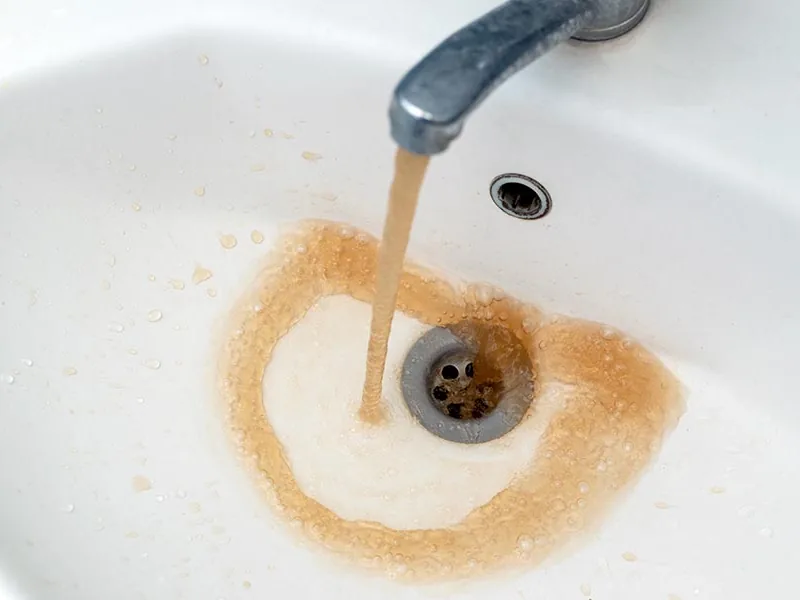
Valrico water is hard — there is no polite way around it. Dissolved calcium and magnesium flow from every tap in the 33594 area, leaving white crust on faucets, spots on dishes, and stiff laundry. What you cannot see is what that same mineral load does inside your water heater, where heat supercharges the chemistry. Every gallon heated drops a little more scale onto elements, tank walls, and valves, and the damage compounds year after year.
Hard water does not just shorten water heater life; it changes how the heater behaves along the way — noisier operation, slower recovery, higher energy use, and eventually leaks from stressed components. Florida homeowners who understand the mechanism can fight back with flushing, anode rod care, and water treatment, adding years to a heater that hard water would otherwise claim early.
What Hard Water Does Inside the Tank
When hard water is heated, calcium carbonate precipitates out of solution and settles as sediment — a layer of gritty, sand-like scale on the tank bottom. On electric heaters, sediment buries the lower heating element, forcing it to heat through an insulating blanket of rock. The element overheats, cycles longer, and fails early. On gas heaters, sediment sits between the burner and the water, so heat that should warm your shower instead superheats the tank bottom, creating the classic popping and rumbling as trapped water flashes to steam under the sediment layer.
Scale also coats the anode rod, the temperature sensor, and the tank walls. A scaled-over anode rod cannot protect the steel properly. A scaled temperature probe reads inaccurately, causing overheating. And scale narrows the drain valve until flushing becomes impossible — the very maintenance that would fix the problem.
The Damage, Stage by Stage
- Year 1–2: Thin sediment layer forms. Efficiency dips slightly; most homeowners notice nothing.
- Year 3–5: Popping and rumbling begin. Recovery slows — the shower runs cool sooner. Elements work harder; the anode rod depletes faster.
- Year 5–8: Heavy scale stresses the tank bottom on gas units (thermal stress can crack the glass lining). Electric elements begin failing. Fittings and valves weep under the strain of longer, hotter cycles.
- Year 8+: Without maintenance, tank failure becomes likely — pinhole leaks at the base, then rupture. Heaters that might have lasted twelve years die at eight.
This timeline is not hypothetical in Valrico; it matches what technicians pull out of local garages every week. Heaters on untreated well water can move through these stages even faster.
Fighting Back: Flushing
Flushing sediment is the single highest-value maintenance a hard-water homeowner can do. The national advice says once a year; in Valrico, twice a year is the realistic schedule. The procedure: shut off power or gas, close the inlet valve, attach a hose to the drain valve, and flush until the water runs clear — sometimes several tank volumes for a neglected heater. A professional water heater maintenance visit includes a thorough flush plus inspection of the anode rod, valves, and fittings in the same trip.
One caution: on a heater that has never been flushed in eight-plus years, the first aggressive flush can dislodge scale that was plugging pinholes — revealing leaks that were already there. That is not the flush causing damage; it is the flush exposing it. If your heater is elderly and never maintained, have a technician assess it before a heavy flush.
Water Softeners and Treatment
Flushing manages sediment; a water softener prevents it. Softeners swap calcium and magnesium for sodium or potassium before the water reaches the heater, dramatically slowing scale formation. For Valrico homes — especially those on well water — a softener is the closest thing to a permanent fix for hard-water heater damage. It also extends the life of dishwashers, washing machines, and plumbing fixtures.
There is one interaction to know: softened water is slightly more aggressive toward anode rods, depleting magnesium rods faster. Homes with softeners should check the anode rod on the shorter end of the schedule, or switch to an aluminum/zinc or powered rod. Our anode rod replacement page covers the options for treated-water homes.
Hurricane Season Adds Another Layer
Storm season compounds hard-water problems. Power outages let sediment settle and compact; the thermal shock of repeated outage-and-restore cycles stresses scaled tank bottoms. Floodwater intrusion contaminates tanks and ruins gas controls and electric components outright. Before hurricane season, a flushed, inspected heater with a working drain valve and accessible shutoffs is simply more resilient — and if you evacuate, shutting the heater down per our emergency guide protects it while you are gone. After any flooding that reaches the heater, do not restart it until it has been professionally inspected.
Reading Your Water: City Water vs. Well Water in Eastern Hillsborough County
Not all Valrico water is the same, and the difference determines how fast your heater degrades. Most of Valrico, Brandon, Riverview, and Bloomingdale is served by Hillsborough County public water — a treated blend that runs moderately hard, typically in the range that leaves steady scale on heating elements and tank bottoms. It is predictable: flush twice a year, check the anode rod every few years, and a tank heater lives a normal Florida life.
Head east into Lithia, Dover, Thonotosassa, Wimauma, or the Plant City outskirts and the picture changes. Private wells dominate, and well water here can carry dissolved iron, sulfur compounds, and total dissolved solids several times higher than city water. Iron is the worst offender for heaters: it accelerates anode rod depletion, promotes aggressive pitting corrosion on the tank wall, and leaves the telltale orange staining on fixtures. Sulfur brings the rotten-egg odor and feeds the bacteria that attack magnesium anode rods. If your hot water smells and your cold does not, your anode rod is likely the battlefield.
The simplest way to know what you are dealing with is a basic water test — hardness, iron, pH, and TDS. Hardware-store test strips give a rough hardness reading in minutes; a lab test gives the full picture for well owners. Whatever the result, the strategy is the same: match your maintenance to your water. City water gets the standard schedule. Well water gets quarterly flushing, a sediment pre-filter, anode inspections every two years, and serious consideration of treatment equipment. The heater does not care about averages — it cares about the water actually flowing through it.
The Real Cost of Ignoring Hard Water
Hard water damage is slow, invisible, and expensive — which is why it gets ignored until something breaks. The costs stack in a predictable order. First comes efficiency loss: just an eighth of an inch of scale on a heating element or tank bottom acts as insulation, forcing longer heating cycles. The Department of Energy's oft-cited figures put the efficiency penalty of heavy scaling in the double digits, and on a Florida electric bill that runs year-round, the extra cost is real money every month.
Next comes component death. Elements buried in sediment overheat and burn out. Anode rods dissolve years early. Drain valves clog and seize. Each failure is a service call, and each one arrives sooner than it should have. Then comes the tank itself: scale-induced overheating stresses the glass lining until it cracks, the exposed steel corrodes, and the tank starts weeping from the bottom. At that point the entire heater — not a part — needs replacement.
Run the comparison for a Valrico home: twice-yearly flushing and periodic anode checks cost a fraction of a premature replacement, and they keep the heater efficient in between. A tank heater that dies at seven years from neglected hard water versus one that serves twelve with basic care is not a small difference — it is nearly half a replacement cycle, plus years of higher energy bills. Hard water is a tax; maintenance is how you stop paying it.
Softeners, Filters, and Conditioners: What Actually Protects a Heater
Homeowners facing hard water damage usually meet three categories of equipment, and they are not interchangeable. A water softener (salt-based ion exchange) removes the calcium and magnesium that form scale. It is the most effective protection for a water heater — softened water dramatically slows sediment accumulation and extends anode rod life. The tradeoff: softened water is slightly more corrosive to anode rods, so rod inspections move to a two-year interval, and the softener itself needs salt and maintenance.
A sediment pre-filter catches particulates — sand, silt, rust flakes — before they reach the heater. It does not soften water or prevent dissolved-mineral scale, but for well-water homes in Lithia or Dover where grit is the main enemy, a pre-filter plus regular flushing is a powerful combination. Filters are cheap, cartridges are a DIY swap, and the heater thanks you with a cleaner tank bottom.
Salt-free conditioners deserve honest framing: they alter mineral crystal structure to reduce scale adhesion, but they do not remove hardness. They help with scale on fixtures and may modestly help heaters, but they are not a substitute for softening when the goal is protecting a tank. Whatever you choose, keep flushing — treatment reduces the sediment load; it does not eliminate maintenance. And if you are on well water with iron, address the iron specifically: standard softeners handle moderate iron, but high iron needs dedicated iron filtration, or the heater keeps fighting a battle the softener cannot win alone.
Hard Water Wearing Out Your Heater?
Sediment flushing, anode rod checks, and honest advice for Valrico's hard water. Call Water Heater Leak Repair Works for a free estimate.
Frequently Asked Questions
How do I know if my Valrico water is hard?
White scale on faucets, spots on dishes, soap that will not lather well, and stiff laundry are the household signs. A simple test strip or a lab test of a tap sample gives you the actual hardness number.
Will a water softener stop my heater from leaking?
A softener prevents new scale but cannot repair existing damage. It is prevention, not cure — most valuable when installed while the heater is still healthy, or paired with a new heater installation.
How often should I flush my water heater in Florida?
Twice a year is the practical schedule for Valrico's hard water. Homes on softened water can usually go annual. If the flush water runs heavily discolored, shorten the interval.
Does hard water affect tankless heaters too?
Yes — arguably more so. Scale coats the heat exchanger's narrow passages, choking flow and efficiency. Tankless units in hard-water areas need periodic descaling flushes to survive.
Can hard water cause a water heater to leak?
Indirectly but reliably: sediment overheats and stresses the tank, scale damages valves and fittings, and accelerated corrosion thins the steel. Hard water is one of the top reasons Florida heaters leak years early.