Published: 2026-10-10
How to Prevent Water Heater Leaks at Home
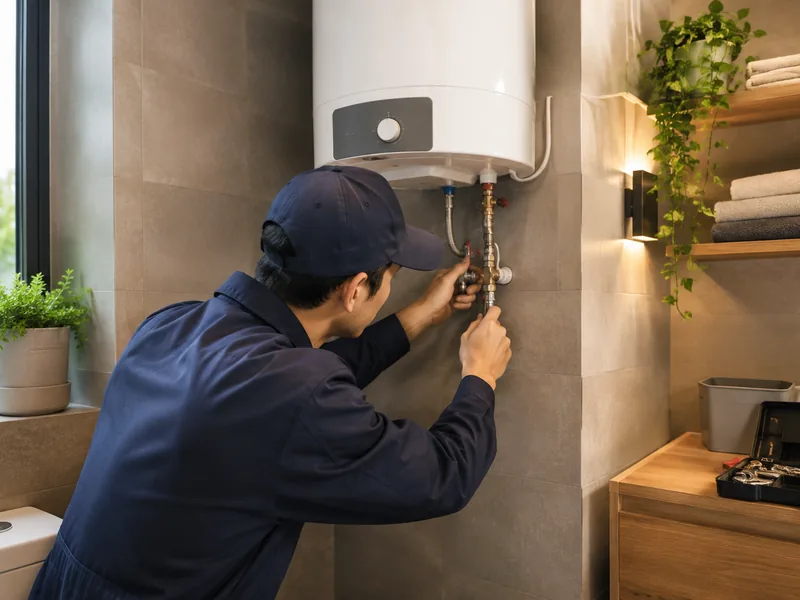
Almost every water heater leak is preventable — not in the sense that heaters last forever, but in the sense that the conditions causing the leak were visible months or years before water hit the floor. Sediment left unflushed. An anode rod never checked. A TPR valve nobody tested. A drain pan never installed. The leak gets the attention, but the prevention was always the cheaper, calmer part of the story.
For Valrico homeowners, prevention has a seasonal rhythm worth respecting. Hard water punishes neglect faster here than in soft-water states, and hurricane season turns small vulnerabilities into flooded garages. A prevention routine built around Florida's realities keeps the heater healthy and the house dry.
Know Your Heater's Enemies
Prevention starts with understanding what actually kills water heaters in this area:
- Sediment from hard water. Mineral scale insulates elements, overheats tank bottoms, and clogs valves. The number one preventable killer in Valrico.
- Corrosion from a depleted anode rod. The tank's rust protection has an expiration date, and hard water shortens it.
- Pressure spikes. Closed plumbing systems without a working expansion tank hammer the tank and fittings with every heating cycle.
- Neglected fittings and valves. Supply lines, the TPR valve, and the drain valve all age; none announce their failure in advance.
- Storm damage. Flooding, power surges, and pressure fluctuations during hurricane season.
- Simple age. Past 10–12 years, prevention shifts from extending life to planning an orderly replacement before a rupture plans it for you.
The Core Prevention Routine
Four habits prevent the large majority of leaks:
1. Flush sediment twice a year. Valrico's hard water makes the standard annual advice inadequate. A spring and fall flush keeps sediment from burying elements and clogging the drain valve. If the flush water runs clear quickly, your schedule is working; if it runs brown for gallons, shorten the interval.
2. Check the anode rod every 2–3 years. Replace it when it is depleted — typically every 3–5 years locally. This is the highest-leverage part nobody buys: a rod replacement protects the entire tank. Pair the check with a professional water heater maintenance visit and it takes minutes.
3. Test the TPR valve annually. Lift the test lever briefly; water should flow from the discharge pipe and stop when you release. If it drips afterward, sticks, or nothing flows, the valve needs service. Never cap or plug a TPR valve — it is the tank's last defense against catastrophic pressure.
4. Inspect visually every few months. Walk past the heater with intention: look for moisture at fittings, rust streaks, a damp drain pan, corrosion on the tank base, and water under the TPR discharge pipe. Five minutes, four times a year, catches most slow leaks while they are still cheap.
Install the Hardware That Prevents Disasters
Some leaks cannot be prevented — but their damage can. A drain pan under the heater (with a drain line to a safe location) catches slow leaks before they reach drywall and flooring; it is inexpensive and often code-required in certain installations. A water leak alarm — a small battery sensor placed in the pan or beside the tank — shrieks when water touches it, alerting you to leaks you would otherwise discover days later. Smart versions send phone alerts, which matters enormously for snowbirds and frequent travelers.
An automatic shutoff valve goes further: when its sensor detects water, it closes the supply to the heater by itself. For homes left empty for weeks — common in Valrico's seasonal-resident community — it is the closest thing to a guarantee against catastrophic flooding. And confirm your expansion tank is present and working if your plumbing is a closed system; pressure control prevents the fitting and seam failures that pans only catch afterward.
Hurricane-Season Leak Prevention
Before June, add storm-specific steps to the routine: verify the heater is strapped or secured (unsecured tanks shift in flooding), confirm the drain pan's drain line is clear, test the cold-water shutoff valve so it works if you must shut down before evacuating, and clear the area around the heater so post-storm inspection is easy. If your property floods and water reaches the heater, do not restart it — have it inspected first, since floodwater ruins gas controls and electrical components even when the tank looks fine.
After any major storm, inspect the heater before assuming normal operation: check for shifted connections, a dripping TPR valve from pressure fluctuations, and moisture in the burner or electrical compartments. Storm-related failures often appear days after the weather clears.
When Prevention Becomes Replacement Planning
There is a point where the most honest prevention is a planned replacement. A heater past 12 years with rust streaks, recurring part failures, and heavy sediment is not a candidate for heroic maintenance — it is a rupture waiting for an inconvenient moment. Replacing it on your schedule costs less than replacing it plus repairing water damage on the leak's schedule. If you are unsure where your heater stands, a professional assessment beats guessing; our water heater leak detection and inspection service gives you a straight answer about remaining life.
The Annual 30-Minute Inspection Every Homeowner Can Do
You do not need tools or training to catch most water heater problems early — you need thirty minutes and a flashlight, once or twice a year. Walk around the heater slowly and look at everything. Check the base for moisture, rust streaks, or white mineral crust — any of these means water has been where it should not be. Look at every fitting on top: the cold inlet, hot outlet, and TPR valve connections should be dry, with no green corrosion on copper or white crust on threads.
Follow the TPR discharge pipe down and check its end for drips or staining. Look at the drain valve for weeping. If there is a drain pan, check it for standing water — a wet pan means something above it is leaking, even if you cannot see the source. Glance at the venting on a gas unit for rust, separation, or soot staining. Then listen: stand quietly for a minute. Rumbling, popping, or hissing that was not there last year is worth noting.
Finish with two quick tests. Lift the TPR valve lever briefly — it should release a burst of water and snap shut without dribbling afterward. And check the area around the heater for a musty smell, which can betray a slow leak feeding mold behind or beneath the unit. Write down what you found with the date — a phone note is fine. Next year, you will compare, and the comparison is where small changes become visible before they become emergencies. Pair this habit with professional maintenance and you have covered both the homeowner layer and the technician layer of prevention.
Leak Alarms and Auto-Shutoff Valves: Cheap Insurance
The cheapest leak protection you can buy is a battery-powered water alarm — a small puck that sits on the floor by the heater and shrieks when its sensors get wet. They cost less than a pizza, take ten seconds to place, and have saved countless Valrico garages from becoming swimming pools. Put one at the heater base and, if the heater is in or above finished space, one under any nearby plumbing as well. Test it yearly when you change smoke detector batteries.
The next step up is a Wi-Fi leak sensor, which texts your phone instead of just screaming into an empty house. For snowbirds who leave Valrico for the summer or anyone who travels, this is the version that matters — an alarm nobody hears is just a noisemaker. Place the sensor in the drain pan or at the tank base where water will reach it first.
The top tier is an automatic shutoff valve: a motorized valve on the water line, paired with sensors, that closes the water supply by itself when a leak is detected. No phone call, no rushing home — the water simply stops. For heaters in attics, interior closets, or above finished living space — installations where a leak means ceiling damage, not just a wet garage floor — an auto-shutoff is genuinely cheap insurance against a five-figure claim. It is a straightforward install during a service visit, and it is the single upgrade we recommend most for at-risk heater locations.
Garage vs. Attic vs. Closet: Location-Specific Prevention
Where your heater sits changes what threatens it and how you prevent leaks. Garage installations — the most common in Valrico — face heat, humidity, and clutter. Summer garage temperatures bake plastic drain valves brittle and accelerate corrosion on fittings. Prevention here is airflow and access: keep several feet clear around the heater, do not stack boxes against it, and remember that the humid garage air also means more condensation to distinguish from real leaks (see our leak vs. condensation guide).
Attic installations trade garage heat for access problems and catastrophic leak consequences. A leaking attic heater rains through ceilings, and the Florida attic's extreme summer heat ages every component faster — TPR valves, flex connectors, and the tank itself. Prevention for attics is non-negotiable: a drain pan with a proper drain line to the exterior, a leak alarm or auto-shutoff, and professional inspections on schedule, because homeowner visual checks in a 140°F attic in August are not happening.
Interior closet installations — common in townhomes and condos around Brandon and Riverview — put the heater beside living space with limited ventilation. Slow leaks here feed mold inside walls before anyone notices, and combustion air can be marginal for gas units. Prevention means a pan with a drain, a leak alarm you will actually hear, keeping the closet uncluttered for airflow, and taking musty smells seriously the first time you notice them. Whatever the location, the principle is the same: the harder a leak is to notice, the more the prevention has to be automatic.
Want a Heater That Doesn't Surprise You?
Preventive maintenance, leak alarms, drain pans, and honest remaining-life assessments. Call Water Heater Leak Repair Works for a free estimate in Valrico.
Frequently Asked Questions
What is the single most important leak-prevention step?
Regular sediment flushing. In Valrico's hard water, it addresses the root cause behind overheating, element failure, valve damage, and tank stress — more leverage than any other single habit.
Do leak alarms really help?
Yes, especially for heaters in garages, attics, or closets you rarely inspect. A ten-dollar sensor that screams when wet has saved countless homeowners from discovering leaks days late. Smart sensors that alert your phone are worth considering if you travel.
Should I replace my water heater before it leaks?
If it is past 12 years and showing decline — rust, noise, recurring repairs — planned replacement is almost always cheaper than emergency replacement plus water damage. Before 10 years with no symptoms, maintenance is the better spend.
Does a drain pan prevent leaks?
No — it contains them. A pan catches slow leaks and directs water to a drain instead of your floor. It is damage control, not prevention, but it is damage control worth having.
How does hurricane season change my prevention routine?
Add pre-season checks: heater strapping, clear pan drains, a working shutoff valve, and a shutdown plan if you evacuate. Post-storm, inspect before restarting — storm damage often surfaces days later.