Published: 2026-10-10
Seasonal Water Heater Care for Florida Homes
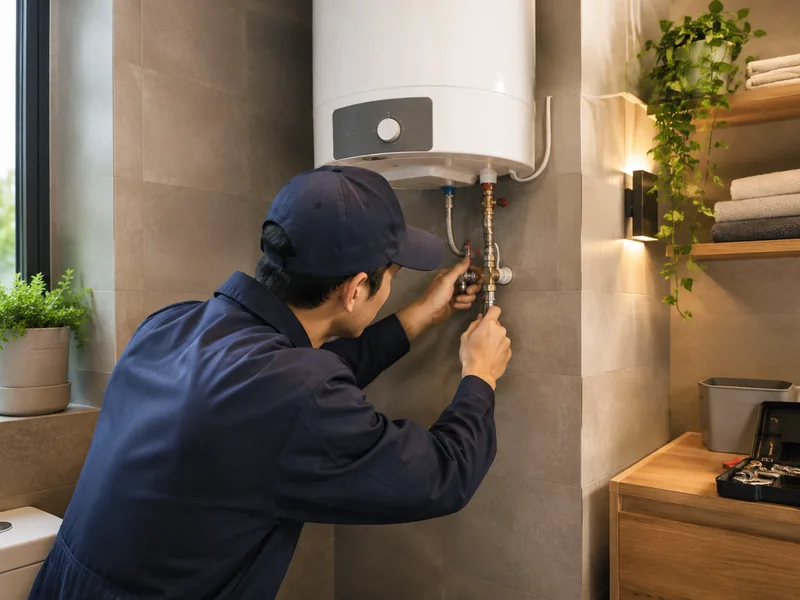
Florida does not have winter the way the rest of the country does, but Valrico water heaters still live a seasonal life — just a Florida-shaped one. Instead of freeze protection, the calendar revolves around hurricane season, brutal summer humidity, the spring and fall maintenance windows, and the comings and goings of seasonal residents. A heater maintained on this rhythm runs quieter, lasts longer, and is far less likely to fail during the months when you least want a crisis.
This guide maps water heater care to the actual year a Valrico homeowner lives: what to do each season, why the timing matters, and how storm season reshapes the priorities.
Spring (March–May): The Deep Maintenance Window
Spring is the ideal season for the year's most thorough service. Temperatures are mild, hurricane season has not started, and technicians' schedules are saner than in summer storm season. Use this window for:
- Full sediment flush. The first of the year's two flushes clears the mineral buildup from winter's heavier hot-water use.
- Anode rod check (every 2–3 years). Spring service is the natural time to pull and inspect it.
- TPR valve test. Lift the lever, confirm flow and reseating.
- Fitting and valve inspection. Check supply lines, the drain valve, and the expansion tank's condition.
- Thermostat verification. Confirm the setting is at 120°F — many heaters drift upward or were set high by a previous owner.
A single professional water heater maintenance visit in spring covers all of this, and it positions the heater to enter storm season in peak condition.
Summer (June–September): Hurricane Season Vigilance
Summer in Valrico means two things for water heaters: humidity and hurricanes. Humidity causes condensation on cold pipes and sometimes on the tank itself — learn to distinguish it from real leaks (moisture that wipes away and does not return is condensation; persistent wetness is a leak). More importantly, hurricane season demands readiness:
- Pre-season: verify the heater is strapped or secured, the drain pan drain line is clear, and the cold-water shutoff valve operates freely.
- Before evacuating: shut off the heater's power or gas and close the inlet valve. An empty, depressurized heater cannot flood your home while you are gone.
- After a storm: inspect before restarting. Check for shifted connections, floodwater contact, a TPR valve dripping from pressure fluctuations, and moisture in burner or electrical compartments.
- Power outages: repeated outage-restore cycles thermally shock the tank. If outages were long or frequent, an inspection is worthwhile.
Summer is also when small leaks get discovered late — vacation travel means nobody is watching. A leak alarm with phone alerts earns its keep in July and August.
Fall (October–November): The Second Flush and Pre-Winter Check
Fall brings the year's second sediment flush — critical in Valrico's hard water, where a single annual flush leaves six months of unchecked scale. It is also the moment to:
- Test the TPR valve again after storm season's pressure events.
- Check the expansion tank — summer's pressure fluctuations are its hardest workout of the year.
- Inspect the anode rod if it is due, and assess overall heater age against the replacement timeline.
- For snowbirds preparing to leave: decide on vacation mode versus full shutdown (see below).
Fall service catches storm-season damage while it is still fresh and before the mild-winter months when heaters get ignored.
Winter (December–February): Light Duty, Smart Settings
Central Florida winters are mild, but the season still matters. Incoming water is cooler, so heaters work slightly harder — a good time to notice declining recovery that sediment is causing. Rare cold snaps can threaten exposed pipes in unconditioned garages; know where your shutoffs are before the one freeze warning of the year.
For seasonal residents leaving for months: you have two options. Vacation mode (or the lowest thermostat setting / pilot-only for gas) keeps the tank warm enough to prevent stagnation and bacterial growth while using minimal energy. Full shutdown — power/gas off, water off, tank drained — is the maximum-protection choice for long absences, eliminating both flood risk and energy waste. For absences over a month, full shutdown is the safer call; just remember the restart sequence (fill completely before restoring power) when you return.
The Year-Round Habits
Seasons set the big appointments, but two habits run all year: a quick visual inspection every couple of months (moisture, rust, drips — five minutes), and paying attention to changes — new noises, slower recovery, hotter or cooler water than usual. Water heaters rarely fail without warning; they fail when warnings go unnoticed. If something changes, our water heater leak detection service can determine whether it is normal aging or a problem developing.
Spring: Post-Winter Recovery and Storm-Drain Checks
Florida winters are mild, but they still leave their mark. Spring is the moment to undo it. Start with a full flush — winter's heating cycles have been laying down sediment for months, and clearing it now sets up the heater for the heavy-demand summer. While the tank drains, inspect the anode rod if it is due; spring is the most convenient service window before storm season complicates scheduling.
Check the area around the heater for winter's calling cards: rodent nesting near the warm tank in garage installations, corrosion on fittings from months of condensation cycling, and any musty smell suggesting a slow leak fed mold over the winter. Clear the TPR discharge pipe termination outside — winter debris, mulch, and insect nests love to block it — and confirm the drain pan's drain line flows freely by pouring a cup of water into the pan.
Spring is also when to handle the tasks that are miserable in August heat. If the heater is in the attic, do your visual inspection now before attic temperatures become prohibitive. Test the expansion tank's air charge, check the pressure-reducing valve's output, and replace the leak alarm batteries. One spring service visit covering flush, anode check, and pressure verification is the single highest-value appointment of the year for a Valrico water heater.
Summer: Humidity, Condensation, and Vacation Settings
Summer in Valrico means garage temperatures over 100°F, humidity that never quits, and vacation absences. The humidity creates the season's signature confusion: heaters sweating so heavily that homeowners mistake condensation for leaks. Before panicking about a wet tank base in July, read our leak vs. condensation guide and run the wipe test — summer condensation is normal, but it should not be constant or pooling.
Vacation planning deserves a heater plan. For trips over a few days, turn a gas heater to "pilot" or "vacation" mode, or switch off an electric heater's breaker — there is no reason to keep water hot for an empty house. For snowbirds leaving for the whole summer, shut the main water supply off entirely; with no pressure in the lines, nothing can flood while you are gone. Leave a Wi-Fi leak sensor active so you would know if something happened anyway.
Summer is also peak storm season. After any tropical system passes, check the heater — especially gas venting, which high winds can damage, and any unit in a garage or low area that may have taken on water. A heater that sat in floodwater, even briefly, needs professional assessment before being fired again: controls, gas valves, and insulation do not recover from submersion. Do not relight a flooded gas heater yourself.
Fall: Hurricane Season Wrap-Up and Pre-Holiday Checks
Fall brings the tail of hurricane season and the start of the holiday hosting stretch — the two reasons to give the heater attention in October and November. Post-storm, do a full inspection: check gas venting for wind damage, look for water intrusion around the heater, test the TPR valve, and flush if the municipal system issued any boil-water notices or pressure advisories during storm recovery. Stirred-up mains send sediment slugs straight into your tank.
Then think about demand. Thanksgiving and the winter holidays mean houseguests, back-to-back showers, and a dishwasher running overtime. If your household grows from two to eight for a week, an aging heater with a dead lower element or heavy sediment will reveal itself at the worst moment. A fall check — hot water recovery test, element check on electrics, burner observation on gas — catches the weakness before the guests arrive.
Fall is also ideal for the second annual flush for city-water homes, completing the spring-fall twice-yearly rhythm our water demands. Well-water homes should be on their fourth quarterly flush about now. End the year with fresh leak alarm batteries, a clear drain pan, and the service log updated — and the heater is ready for whatever the mild Florida winter and the next storm season bring.
Keep Your Heater on a Healthy Schedule
Spring tune-ups, storm-season readiness, and honest assessments for Valrico homes. Call Water Heater Leak Repair Works for a free estimate.
Frequently Asked Questions
When is the ideal time of year to service a water heater in Florida?
Spring — March through May. The weather is mild, hurricane season has not begun, and a thorough service prepares the heater for the hardest months ahead. Fall is the second key window for the year's second flush.
Should I turn off my water heater if I evacuate for a hurricane?
Yes. Shut off power or gas and close the cold-water inlet valve. It takes two minutes and eliminates the risk of the heater flooding an empty house during the storm.
What is vacation mode on a water heater?
A low-temperature setting (or pilot-only for gas heaters) that keeps water warm enough to prevent bacterial growth and stagnation while minimizing energy use during absences of a few weeks.
Does summer humidity damage water heaters?
Humidity itself causes surface condensation, which is harmless but masks real leaks. The indirect damage comes from corrosion over years in damp garages — keeping the area ventilated and the heater dry helps.
How do I restart my heater after months away?
Open the inlet valve, fill the tank completely (run a hot tap until flow is steady with no air), inspect all fittings for leaks, then restore power or gas. Never energize elements or fire a burner on a partially filled tank.