Heating Element Replacement in Tampa, FL 33619
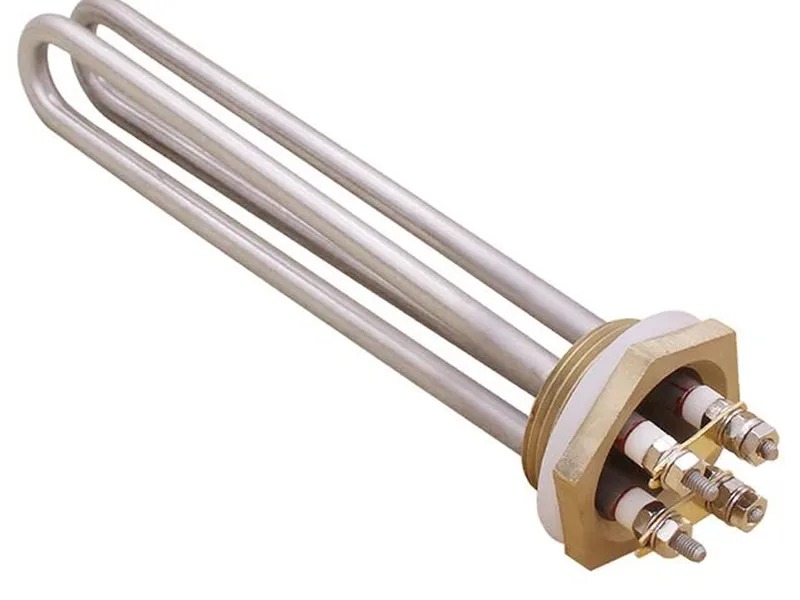
An electric water heater that cannot keep up with the household is usually suffering from element trouble, not tank trouble, and that distinction matters for Tampa 33619 homeowners. The lower element does most of the heating work and takes the most abuse from sediment. When it fails, you get the frustrating pattern of hot water that starts strong and fades fast.
East Tampa's 33619 mixes industrial corridors with 1950s to 80s residential blocks, commercial-grade water heaters, mixed-use buildings, and City of Tampa hard water throughout.
Our heating element replacement service covers all of Tampa. Diagnosis first, so we replace the failed element or thermostat rather than guessing, then a careful swap with the exact wattage your heater requires, followed by a full refill and cycle test. Reach us at (833) 713-2101.
Electric storage water heaters rely entirely on their heating elements, and understanding the two-element design explains most electric heater symptoms. The upper thermostat and element respond first when hot water is drawn, heating just the top of the tank for fast partial recovery. Once the upper section is satisfied, control passes to the lower thermostat and element, which reheats the bulk of the tank. A failure in either one changes the heater's behavior in a recognizable way.
When the upper element fails, you get a short burst of hot water that turns cold quickly, because only the lower portion is being maintained. When the lower element fails, which is more common, the heater seems to work but runs out fast and recovers slowly, since only the top of the tank is being heated. When both are dead, which usually means a tripped high-limit reset rather than two simultaneous burnouts, you get no hot water at all.
Swapping an element is precise work rather than difficult work. The critical details are electrical safety, shutting off the breaker and confirming zero voltage, using the exact wattage and voltage rating the heater was built for, and never restoring power until the tank is completely refilled. An element energized in a partially empty tank burns out in seconds, a mistake called dry-firing that instantly destroys a brand new part.
How the Repair Is Done
Every element replacement starts with electrical lockout. The double-pole breaker is opened, and a non-contact tester plus a multimeter confirm zero voltage at both elements. This two-step verification is standard practice, not paranoia, given the consequences of working live on a 240-volt appliance full of water.
With power confirmed off, diagnosis is quick. Element resistance readings tell whether the coil is intact, and a ground check reveals shorts. The thermostat paired with the failed element gets tested as well, since a stuck thermostat can mimic or accompany element failure. The tank interior condition is noted: heavy scale around the element port argues for flushing while the tank is already partly drained.
The mechanical work follows a fixed order: drain below the element, disconnect and label wires, remove the old element, clean the port, install the new element with its gasket, reconnect wiring, refill the tank fully, purge air, restore power, and verify operation through complete heating cycles of both upper and lower elements. Skipping or reordering steps, especially the refill-before-power rule, is how simple repairs turn into repeat visits.
Heating Element Replacement in Tampa, FL 33619: How Local Conditions Change the Job
Every service area has its own equipment personality, and Tampa is no exception. These are the local factors from housing stock to water chemistry that shape how we approach this job in 33619:
Commercial electric heaters in 33619 may use higher voltages, multiple elements, or three-phase supply, requiring commercial-rated elements and adapted lockout procedures. We verify the electrical supply characteristics before specifying parts, since commercial equipment does not follow residential conventions.
Residential 1950s-80s electric tanks bring the familiar pattern: scaled lower elements, deferred flushing, and the repair-or-replace judgment that aging equipment demands. The inspection is thorough because the neighborhood's equipment age makes it necessary.
Industrial-area power quality can be rougher, with sags and surges that stress elements and controls. Post-event element failures after electrical disturbances get a cause check, not just a swap, particularly for commercial customers who cannot afford repeat downtime.
Warning Signs of Element Failure
Element failure usually announces itself through shrinking hot water capacity. The household routine that worked fine for years suddenly does not: the second shower runs cold, the tub never fills hot, the heater cannot keep up on laundry day. Because the decline is gradual as scale builds, many people adjust their habits for months before realizing the heater is underperforming.
The electrical warnings should not be adjusted to. A breaker tripping repeatedly on the water heater circuit, scorch marks or melted insulation at the element terminals behind the access panels, or the high-limit reset tripping more than once all indicate faults that need professional attention. Electricity and water in the same appliance demand respect, and these symptoms are the heater asking for it.
Context sharpens the picture. Heaters in hard water areas without regular flushing lose lower elements first. Units where the thermostat is cranked above 130 degrees run their elements hotter and shorter-lived. And any heater past eight years with original elements is in the window where replacement becomes a maintenance event rather than a surprise.
Tampa 33619, the East Tampa and Palm River area, blends industrial corridors along US 41 with residential neighborhoods from the 1950s through 80s. Commercial properties run larger, harder-working water heaters; mixed-use buildings combine both worlds; and City of Tampa water brings consistent hardness. Heating Element Replacement here flexes between residential and light-commercial equipment, sometimes on the same block.
Repair the Element or Replace the Heater?
An element replacement is one of the clearest repair decisions in plumbing. If the tank is under ten years old, holds water without seepage, and the failure is limited to the element or its thermostat, the repair restores full function for a small fraction of replacement cost. Elements are wear items by design; replacing them is maintenance, not life support.
The calculation shifts with tank age and condition. Rusty water, moisture at the tank base, a heater past twelve years, or a history of repeated electrical faults suggest the tank is nearing retirement. In that case the element money is better applied to a new unit. A straightforward inspection of the tank's condition makes the call obvious in most cases.
After replacement, sediment control is the habit that protects the new element. Annual or semiannual flushing keeps scale from burying the lower element again, which is the most common cause of repeat element failure in hard water areas. Keeping the thermostat at 120 degrees reduces scale formation rate and energy use at the same time, and checking the anode rod on schedule protects the tank the new element serves.
Call Water Heater Leak Repair Works in Tampa, FL 33619
If your water heater needs attention in Tampa, you do not have to guess at the cause or live with the symptoms. Water Heater Leak Repair Works diagnoses the actual problem, explains your options plainly, and performs the repair correctly, with every connection tested before we leave. Serving Tampa, FL 33619 33619 and the surrounding neighborhoods, we handle the jobs other providers rush: careful diagnosis, correct parts, and honest repair-or-replace counsel.
Call (833) 713-2101 to schedule service or to talk through what your heater is doing. A short conversation about the symptoms is often enough to point toward the cause, and there is no obligation attached to asking.
Homeowners across Tampa 33619 rely on us for straight answers and careful work: accurate diagnosis before any repair, correct parts matched to the equipment, and full testing before the job is considered done. When your water heater needs professional attention, (833) 713-2101 connects you with a team that treats your home with respect.
Frequently Asked Questions
Commercial demand, power quality issues, or incorrect element ratings for the supply voltage are the usual causes. We investigate the pattern rather than just repeating the swap, since commercial downtime is expensive.
We inspect the tank's structural condition first. Sound tank gets the element; failing tank gets honest replacement counsel. The era of the neighborhood makes this check essential.
Yes. Surges and sags stress elements and controls, more common near industrial areas. If failure followed a power event, we check for that cause so protection can be discussed.
A scaled or failing element heats inefficiently, running longer to deliver the same hot water. A lower element buried in sediment is the classic case: the heater works harder for every gallon. A fresh element and a flushed tank usually bring consumption back down.
Yes. An element that shorts to ground draws fault current and trips the breaker. This is different from simple burnout, which just stops heating. A breaker tripping on the water heater circuit should be treated as an electrical fault needing prompt attention, not just reset repeatedly.
There is no fixed schedule; it depends on water hardness and maintenance. In hard water areas without flushing, lower elements often fail in five to eight years. With regular sediment flushing, elements commonly last the life of the tank. Replacement is condition-based, not calendar-based.