Heating Element Replacement in Temple Terrace, FL 33617
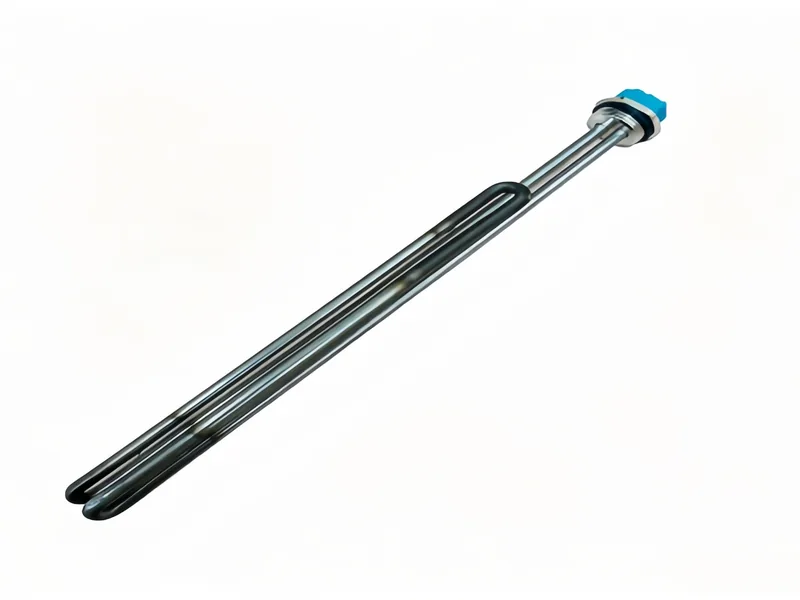
Breaker tripping, reset button popping, lukewarm showers: these are the signatures of heating element failure in electric water heaters across Temple Terrace 33617. Elements live submerged in hard Florida water, and scale eventually insulates them until they overheat and break. It is a wear-item failure, and on a sound tank it is a repair, not a replacement situation.
Temple Terrace's 1960s and 70s ranch homes near the Hillsborough River and USF run 50 to 60 year old copper systems, with student rentals adding deferred maintenance to the mix.
Water Heater Leak Repair Works serves Temple Terrace with heating element replacement done to proper electrical procedure: lockout, verification, testing, correct-wattage parts, full refill before power. If your electric heater is underperforming, call (833) 713-2101.
Signs Your Heating Element Needs Replacement
The classic symptom is running out of hot water too fast. Showers that used to stay hot now turn lukewarm halfway through, or the dishwasher and laundry seem to compete for a shrinking supply. This points to the lower element, the workhorse of the pair, which handles most of the tank's volume. When it dies, the upper element keeps the top of the tank hot, so you get a teasing burst of hot water followed by disappointment.
Electrical symptoms are more urgent. A breaker that trips when the heater runs, or the red reset button on the upper thermostat that keeps popping out, means something is shorting or overheating. A failed element shorted to ground is a common cause. Do not just keep resetting the button and carrying on; the reset is a safety device telling you the heater has an electrical fault that needs diagnosis.
Subtler clues include water that never gets fully hot no matter the thermostat setting, recovery that takes far longer than it used to, or a faint humming or sizzling from the tank during heating. Age matters too: in hard water areas, lower elements often last five to eight years before scale wins, even in tanks that go on serving for twelve or more.
The heating element is the working heart of an electric water heater: a loop of resistance wire sealed inside a metal sheath, threaded through the tank wall so it sits directly in the stored water. Standard residential elements run at 4500 watts on 240 volts, though some heaters use 3800 or 5500 watt elements. The sheath is typically copper or stainless-clad, chosen to resist the water chemistry it will spend its life submerged in.
What kills elements is rarely old age alone. Hard water scale is the main enemy, coating the sheath until heat cannot escape into the water and the internal coil overheats and breaks. Loose electrical connections at the element terminals create arcing and heat damage. And power surges or lightning can take out an element instantly. In Florida's hard water region, sediment-related element failure is the pattern we see most.
Because the tank, thermostats, and wiring usually outlast any single element, replacement is almost always the right call when the tank itself is sound. The repair restores the heater's full rated recovery rate, often noticeably improving hot water availability the same day. It is a repair measured in a single part and a careful procedure, not a reason to replace equipment with years of life remaining.
Heating Element Replacement in Temple Terrace, FL 33617: How Local Conditions Change the Job
Good service adapts to the property, not the other way around. In Temple Terrace, FL 33617, these local conditions directly change what we look for, what we recommend, and how the work gets done:
Original copper-era tanks in Temple Terrace carry up to six decades of scale history, though most heaters are younger replacements. Lower elements still fail on the burial pattern, and replacement includes flushing plus a realistic conversation about the aging supply system feeding the heater.
Student rentals with deferred maintenance are the repeat offenders: heaters never flushed, anodes never checked, elements scaled solid. Element replacement in rentals pairs with documenting the system's condition for property owners, who need the full picture to make maintenance decisions.
The 50-60-year-old copper gets a condition report with every heater service. Pinhole leaks in copper this old are a when-not-if proposition, and discovering the piping's state during a heater visit gives homeowners time to plan rather than react.
The Replacement Process, Step by Step
The visit begins at the breaker panel. Power to the water heater is cut and verified off with a meter at the heater itself, because mislabeled breakers are common enough that no professional trusts the panel schedule alone. With the circuit confirmed dead, the upper and lower access covers are removed.
Testing pinpoints the failure. A multimeter checks each element for the correct resistance and for any continuity to ground, which indicates a short. Thermostats are tested for proper open and close behavior at temperature. Sediment level may be assessed too, since a tank buried in scale may need flushing as part of the same visit.
Replacement is methodical. Water is drained to below the bad element, wiring is disconnected, the old element comes out, and the new one goes in with a fresh gasket, torqued correctly so it seals without cracking the tank fitting. Wiring is restored to the right terminals, the tank is refilled completely, air is bled from the hot lines, and power is turned back on. The critical rule observed throughout: no electricity flows until water fully covers the new element, because dry-firing destroys it in under a minute.
Temple Terrace 33617 is established 1960s-70s suburbia along the Hillsborough River: ranch homes on slabs, original copper now 50 to 60 years old, city utilities with hard water, and a USF-adjacent rental market where maintenance is often deferred. Heating Element Replacement here works on some of the oldest continuously used residential copper in the area, in homes where the heater and the piping are aging together.
When Replacement Makes Sense, and When It Does Not
Replace the element when the heater is otherwise healthy. A mid-life tank with no leaks and clean wiring that has simply burned out an element is the textbook case for repair. The new element brings back full hot water capacity, and the heater goes on serving normally. This is routine maintenance on electric units, not a rescue operation.
Choose a new heater instead when the tank is failing on its own terms. Visible rust, dampness around the base, water that runs discolored, or a unit well past its expected lifespan mean the element failure is a symptom of general decline. A new element in a dying tank is a short-term patch on a long-term problem.
Post-repair care focuses on the enemies of elements. Sediment flushing is first, second, and third on the list in hard water territory. Anode rod checks protect the tank structure. Correct thermostat settings limit both scale and energy waste. With these habits, a replacement element typically serves for many years rather than repeating the early failure of its predecessor.
Get Help With Your Water Heater in Temple Terrace 33617
Water heater problems rarely improve on their own, and the difference between a simple repair and real damage is often just timing. Water Heater Leak Repair Works serves Temple Terrace, FL 33617 with diagnosis-first service: we find the true cause, show you what we found, and recommend only the work the situation actually needs. No guesswork, no unnecessary parts, no pressure.
Reach us at (833) 713-2101. Describe what your heater is doing, pilot trouble, temperature swings, leaks, tripped breakers, and we will tell you what it likely means and what the visit would involve.
Across Temple Terrace 33617, our approach stays the same on every call: find the true cause, explain it plainly, use the right parts, and verify the repair under real operating conditions. For water heater service done carefully and honestly, call (833) 713-2101 today.
Frequently Asked Questions
Often yes, if the tank is structurally sound. The element gets replaced, the tank gets its first real flush in years, and you get an honest assessment of the aging copper system around it.
At 50-60 years, planning beats reacting. We report their condition during the heater visit so you can plan repiping on your schedule rather than as an emergency.
The repair is the same; the documentation is more thorough. Owners managing from a distance need the full condition picture, which we provide.
There is no fixed schedule; it depends on water hardness and maintenance. In hard water areas without flushing, lower elements often fail in five to eight years. With regular sediment flushing, elements commonly last the life of the tank. Replacement is condition-based, not calendar-based.
If the tank is sound and under about ten to twelve years, yes, it costs far less than replacing the heater. If the tank shows rust, seepage, or is well past its expected life, the repair budget is better put toward a new heater. Tank condition decides.
The symptom pattern tells the story. Hot water that runs out fast points to the lower element, a brief burst of hot water then cold points to the upper, and no hot water with a tripped reset points to the high-limit safety. A meter test on each element confirms it before any part is replaced.