Published: 2026-10-10
Gas Control Valve Problems on Water Heaters
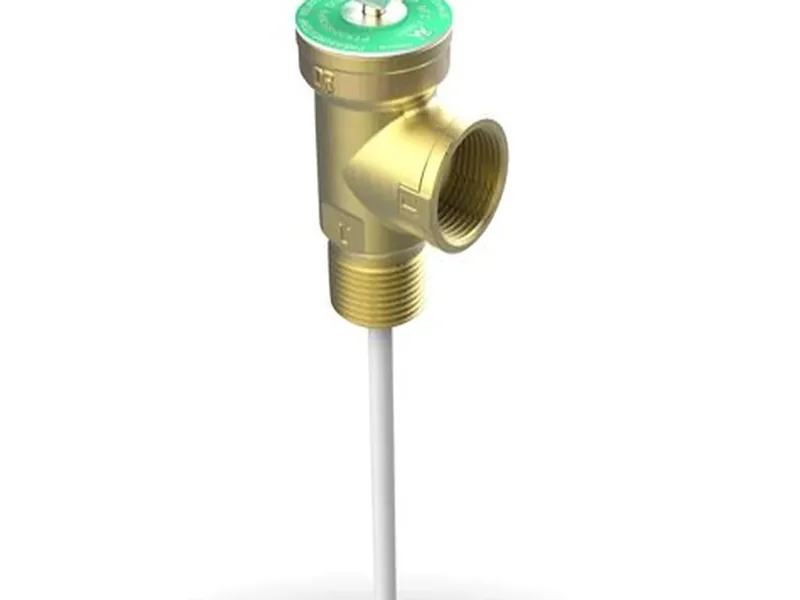
The gas control valve is the brain of a gas water heater — a single brass-bodied component that meters gas to the burner, monitors the pilot flame through the thermocouple, and shuts everything down if something goes wrong. When it works, you never think about it. When it fails, the symptoms range from annoying (no hot water on a Monday morning) to genuinely dangerous (gas odor, a burner that will not shut off).
Gas components demand respect. Unlike an electric thermostat you might test with a multimeter, gas valve problems involve fuel, flame, and combustion byproducts. Some diagnosis is safe for a homeowner; actual gas valve repair or replacement is not a DIY project. This guide helps you recognize the symptoms, understand what is happening, and know exactly when to call.
What the Gas Control Valve Does
The valve sits at the bottom front of the heater where the gas line connects. Its jobs: hold the pilot flame lit via the thermocouple circuit, open the main burner when the thermostat calls for heat, regulate gas pressure to the burner, and — critically — cut gas flow if the pilot goes out or overheating is detected. Modern valves also include the thermostat dial and often an igniter button, combining several functions into one sealed unit.
Because so many functions live in one component, a failing valve produces varied symptoms. The key insight: if the pilot, thermocouple, and gas supply all check out but the heater still misbehaves, the valve itself is the prime suspect.
Common Gas Control Valve Problems
- Pilot will not stay lit. Often blamed on the thermocouple, but if a new thermocouple does not fix it, the valve's internal pilot electromagnet may be failing.
- Burner will not ignite. Thermostat calls for heat, pilot is lit, but the main burner never fires — the valve is not opening the main gas passage.
- Burner will not shut off. Water overheats, the TPR valve may start dripping, but the burner keeps firing. This is a dangerous failure — shut the gas off at the valve and call immediately.
- Inconsistent water temperature. The burner cycles erratically or the thermostat dial seems to have no effect, pointing to a failing thermostat section inside the valve.
- Gas odor near the valve. Any smell of gas around the control valve or its connections means a leak at a fitting or a failing valve seal. Do not investigate with an open flame; leave the area and call for help.
- Visible damage or corrosion. Florida humidity corrodes valve bodies and connections over time; a green, crusty valve body is living on borrowed time.
What You Can Safely Check Yourself
Before assuming the valve is bad, rule out the simple stuff. Confirm the gas supply is on (check other gas appliances). Verify the pilot is actually lit and the flame engulfs the thermocouple tip — a weak, lazy pilot that barely touches the thermocouple mimics valve failure. Check that the thermostat dial is set to a normal temperature and that nobody bumped it to "vacation" or "pilot."
You can also try relighting the pilot exactly per the manufacturer's label instructions — many "dead heater" calls end with a successful relight and a lesson about downdrafts. Our guide to gas water heater repair covers pilot troubleshooting in more depth. If the pilot lights but dies the moment you release the button even with a known-good thermocouple, the valve's safety magnet has likely failed.
Why Valve Replacement Is a Job for a Professional
Replacing a gas control valve means breaking into the gas line, removing the burner assembly, swapping the valve, reconnecting gas with proper sealant, leak-testing every joint, and verifying combustion and venting. Mistakes create gas leaks or carbon monoxide hazards — there is no margin for learning on the job. In Florida, gas work on water heaters also intersects with venting and combustion-air requirements that differ between garage, closet, and attic installations.
There is also an economic judgment call: on a heater past 10 years old, the cost of a valve replacement plus labor approaches the value of the remaining tank life. A technician can assess whether the tank is worth saving or whether replacement is the smarter spend. Either way, emergency water heater repair is available when a gas problem cannot wait — gas odor and runaway burners never should.
Extending Valve Life in Florida Conditions
You cannot service the sealed valve itself, but you can protect it. Keep the area around the heater clean and dry — humidity and standing water corrode valve bodies and electrical connections. Make sure the burner compartment stays free of dust and lint, which cause poor combustion that overheats components. Have the burner and venting inspected periodically; a blocked vent or backdrafting flue stresses everything downstream, valve included. And never store flammable materials near a gas heater — the valve area needs clear combustion air, not a wall of paint cans.
Thermocouple vs. Gas Control Valve: Telling Them Apart
When a gas water heater's pilot will not stay lit or the burner will not fire, two suspects top the list: the thermocouple and the gas control valve. They fail differently, cost differently, and the distinction matters before anyone orders parts.
The thermocouple is the small copper probe sitting in the pilot flame. Its job is simple: prove to the gas valve that a flame exists, so the valve keeps gas flowing. When it fails — usually from age, soot, or a weak pilot flame — the symptom is specific: the pilot lights fine when you hold the button, but dies the moment you release it. This is the most common pilot failure on heaters over eight years old, and it is the cheaper fix by a wide margin.
The gas control valve is the larger unit the thermocouple plugs into — the box with the temperature dial. When it fails, the symptoms are broader: the pilot stays lit but the main burner never fires, the burner fires erratically, the water overheats, or you smell gas near the valve body. A failed gas valve is a bigger job with a bigger part cost, and on a heater past ten years old, it often tips the repair-versus-replace math toward replacement.
Homeowners can safely observe symptoms but should not attempt diagnosis involving gas disassembly. If the pilot lights and dies on release, mention the thermocouple pattern when you call — it helps us arrive with the right part. If you smell gas at any point, stop: leave the area and call for help rather than troubleshooting further.
Gas Safety Rules Every Valrico Homeowner Should Know
Gas water heaters are safe appliances when respected and dangerous when improvised. These rules are non-negotiable.
If you smell gas, do not troubleshoot. Do not light the pilot, do not flip electrical switches, do not use your phone inside the house. Leave, get to fresh air, and call for help from outside. Gas leaks are rare but unforgiving, and no hot water is worth the risk.
Never bypass safety devices. The thermocouple, the TPR valve, and the gas control's internal safeties exist to prevent catastrophic failures. Jumpering a thermocouple or capping a TPR discharge to "stop the dripping" converts a nuisance into a hazard. If a safety device is tripping, it is telling you something — listen to it and get a professional diagnosis.
Keep the area clear. Gas heaters need combustion air. The boxes, paint cans, and gasoline containers that accumulate in Valrico garages do not belong within several feet of the heater — flammable vapors and an open burner are a combination that ends badly. This is also a code issue, not just common sense.
Know when it is a pro job. Homeowners can relight a pilot following the manufacturer's instructions and can observe symptoms. Anything involving gas line disconnection, valve replacement, or venting work belongs to a qualified technician. In Florida's humid garages, corroded gas connectors and deteriorated venting are common on older installs — both are things we check during a maintenance visit, because both fail quietly until they do not.
Gas Water Heater Trouble in Valrico?
Pilot problems, no hot water, or gas odor — do not gamble with gas. Call Water Heater Leak Repair Works for a free estimate and safe, professional service.
Frequently Asked Questions
How do I know if the problem is the thermocouple or the gas valve?
Replace or test the thermocouple first — it is the cheaper part and the more common failure. If a known-good thermocouple still will not keep the pilot lit, or the pilot stays lit but the main burner never fires, the valve is the likely culprit.
Is a gas smell near the water heater always an emergency?
Treat it as one. Leave the area, avoid switches and open flames, and call for help from outside. A fitting may just need tightening, but you cannot know that from smell alone.
Can a bad gas valve cause the water to overheat?
Yes. If the valve's thermostat section fails and the burner does not shut off, water temperature climbs until the TPR valve discharges or the high-limit switch trips. Shut the gas off at the control valve and call immediately.
How long does a gas control valve last?
Often the life of the heater, but Florida humidity, poor combustion, and overheating events shorten it. Corrosion on the valve body is a visual warning that replacement may be approaching.
Should I replace the valve or the whole heater?
On a heater under eight years old with a sound tank, valve replacement usually makes sense. Past ten years, or with any sign of tank corrosion, put the money toward a new heater instead.