Published: 2026-10-10
Heating Element Failure: 7 Warning Signs
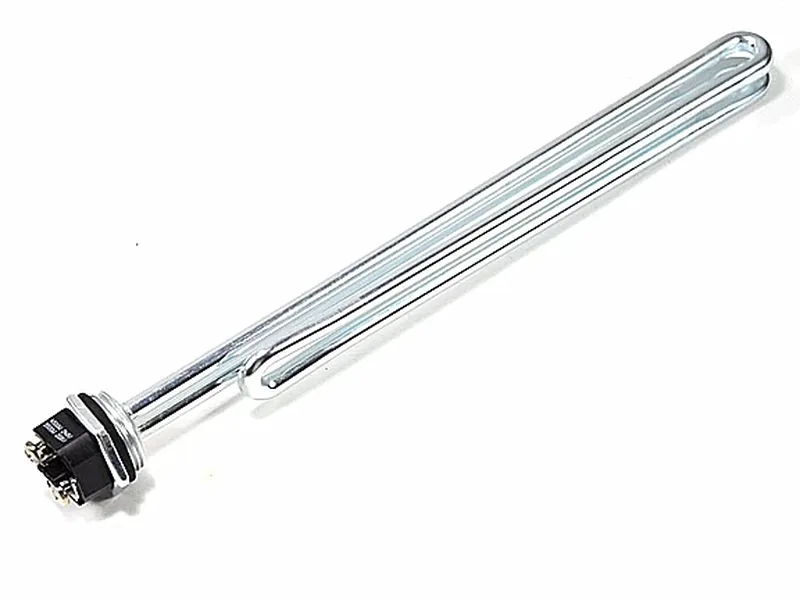
Electric water heaters have no flame, no pilot, no gas valve — just two heating elements and two thermostats doing all the work. When an element fails, the symptoms creep in quietly: the shower runs lukewarm, the dishwasher leaves film, someone in the house starts scheduling showers like landing slots. Most homeowners blame the thermostat or assume the heater is dying, but a failed element is a common, fixable problem — if you catch it before frustration turns into a premature replacement.
In Valrico, elements live a hard life. Hard-water sediment buries the lower element in mineral scale, insulating it until it overheats and burns out. Understanding the failure signs helps you diagnose accurately and decide whether a repair or a new heater is the right call.
How the Two Elements Work Together
A standard electric tank has an upper and a lower element, each with its own thermostat. The upper element heats the top third of the tank first — giving you usable hot water quickly — then hands off to the lower element, which heats the bulk of the tank. They never run simultaneously in most residential designs; the upper thermostat prioritizes, then switches power down.
This tag-team design is also a diagnostic gift: which symptom you see tells you which element failed. No hot water at all points to the upper element (or its thermostat, or power supply). Plenty of hot water that runs out fast points to the lower element — the top of the tank heats fine, but the main volume never gets there.
Warning Signs of Element Failure
- Lukewarm water that never gets fully hot. The classic lower-element failure — the upper third heats, the rest stays tepid, and the mix at the tap is disappointing.
- Hot water runs out much faster than it used to. Same mechanism: only part of the tank is actually being heated.
- No hot water at all. Points to the upper element, a tripped high-limit switch, or a power problem. Check the breaker first — it is free.
- The breaker trips repeatedly. A failing element can short to ground, drawing fault current that trips the breaker. Resetting it repeatedly without finding the cause risks damage.
- Discolored or rusty hot water. A burned-out element's sheath can split, exposing metal that corrodes into the water.
- Popping and rumbling during heating. Heavy sediment on the element superheats trapped water — the noise often precedes element failure by months.
- Higher electric bills with no change in usage. A failing element forces longer heating cycles; a shorted one wastes energy outright.
Why Elements Fail in Florida Homes
Sediment is the number one killer. Valrico's hard water drops mineral scale onto the lower element, wrapping it in an insulating blanket. The element cannot shed heat into the water efficiently, so its internal temperature climbs until the sheath fails — a burnout. Dry-firing is the other classic cause: if power reaches the elements while the tank is not completely full of water (after a drain-down, for example), they destroy themselves in seconds.
Age and manufacturing defects account for the rest. Elements are wear parts with a typical life of six to ten years — shorter in hard water. Corrosion from a depleted anode rod accelerates sheath breakdown, which is one more reason regular water heater maintenance includes an anode check alongside element inspection.
Testing and Replacing: What the Job Involves
Diagnosis starts with safety: power off at the breaker, verified with a non-contact tester. A technician then tests each element with a multimeter — a good element shows a specific resistance range; a failed one reads open (infinite) or shorted to ground. Thermostats get tested too, since thermostat failure mimics element failure and replacing the wrong part wastes a service call.
Replacement means draining the tank below the element, unscrewing the old element, cleaning the port threads, installing the new element with a fresh gasket, refilling completely, and only then restoring power. The refill-before-power sequence is critical — dry-firing a brand-new element is an expensive ten-second mistake. Most element replacements take about an hour. If your heater needs this kind of electrical work, our electric water heater repair service handles diagnosis and replacement in one visit.
Repair or Replace the Heater?
A single failed element on a heater under eight years old with a sound tank is a clear repair. But consider replacement when: both elements and thermostats are failing in succession (a sign of systemic decline), the tank shows any rust or weeping, the heater is past ten years, or sediment is so heavy that flushing barely helps. Putting new elements into a tank that is about to leak is good money after bad — an honest technician will tell you which side of that line you are on.
Why Sediment Kills Lower Elements First
Electric water heaters have two elements — upper and lower — and the lower one almost always dies first in Valrico homes. The reason is sediment. Mineral grit settles to the tank bottom exactly where the lower element lives, burying it in an insulating layer. The element keeps firing, but its heat cannot reach the water efficiently, so the element itself runs hotter and hotter until the sheath cracks or the internal coil burns through.
The symptom pattern is distinctive: you get some hot water — the upper element still works — but it runs out much faster than it used to. Showers start hot and go lukewarm halfway through. Many homeowners assume the tank is failing or the thermostat is off, but a dead lower element with a live upper one is the classic presentation. A tripped reset button (the red button behind the upper access panel) often accompanies it, since the struggling system overheats.
This is also why flushing matters so much for electric heaters specifically. Every flush that removes bottom sediment is directly extending the lower element's life. In our hard water, an unflushed electric heater can kill a lower element in three to four years; a flushed one can see elements last the better part of a decade. When we replace an element in a Valrico home, we always check the sediment situation — putting a new element into a tank full of grit is just scheduling the next failure.
Element Wattage, Voltage, and Choosing the Right Replacement
Heating elements are not generic, and grabbing the wrong one creates new problems. The three specs that must match are wattage, voltage, and physical fit. Most residential Valrico heaters run 4500-watt, 240-volt elements — but 3500-watt and 5500-watt elements exist, and the replacement must match what the heater's wiring and thermostats are rated for. Installing a higher-wattage element than the circuit supports is a fire risk; installing a lower-wattage one gives you a heater that cannot keep up.
Voltage is equally critical: a 240-volt element in a 240-volt heater is the standard, and mismatches here cause immediate failure or dangerous overheating. The element's length and thread type must also fit the tank's ports — most residential tanks use a 1-inch screw-in fitting, but bolt-on flange elements appear on some models. The rating plate on your heater lists the correct specs; when in doubt, match the plate exactly.
Material choice matters in Florida water. Standard copper-sheathed elements are the baseline. Incoloy-sheathed elements resist scale adhesion and corrosion better and are worth the modest premium in our hard water — they survive the sediment environment noticeably longer. For well-water homes with aggressive chemistry, the upgrade pays for itself in extended service life. This is a detail worth getting right during a professional service visit, since the wrong element is not just a poor value — it can be unsafe.
When Element Failure Signals a Bigger Problem
A single burned-out element in a mid-life heater is routine maintenance. But certain patterns mean the heater is telling you something larger. If elements are failing every year or two, the root cause is almost certainly severe sediment — the tank bottom is packed, flushing has been neglected, and each new element is being sacrificed to the same grit. Replacing elements without addressing the sediment is bailing water without fixing the leak.
Simultaneous upper and lower element failure points to electrical issues: a failing thermostat, a breaker problem, or voltage irregularities. And elements that fail alongside rusty water, rumbling that flushing does not quiet, or moisture at the tank base are waving the end-of-life flag — the tank itself is deteriorating, and element replacement is money spent on a heater with months left.
The decision framework: one element, heater under eight years old, tank otherwise healthy — replace the element and start flushing. Repeated failures, heater over ten, or any tank-body symptoms — get an honest assessment of remaining life before spending more on parts. Our repair-versus-replace guide walks through the full decision, but the short version is that elements are cheap and tanks are not — do not let cheap parts talk you into nursing a dead tank.
Lukewarm Water in Valrico?
Failed heating elements are fixable — and we will tell you honestly if repair or replacement is the smarter call. Contact Water Heater Leak Repair Works for a free estimate.
Frequently Asked Questions
Can I still use hot water with a failed lower element?
You will get a small amount of hot water from the top of the tank, but it runs out fast. It is usable for handwashing, not for showers — and running the heater this way is inefficient.
Why does my breaker keep tripping after I reset it?
A shorted heating element is the most common cause. Each reset sends fault current through the short again. Stop resetting it and have the elements tested — the breaker is protecting you from a real fault.
How long do heating elements last?
Six to ten years is typical, with hard water pushing toward the shorter end. Sediment-buried elements in Valrico often fail earlier than the tank itself.
Should I replace both elements at once?
If one has failed from age and sediment, the other has lived the same life. Replacing both during one drain-down saves a second service call later — a reasonable call on heaters past six years.
Is it safe to replace a heating element myself?
It involves 240-volt wiring and a drained, refilled tank — manageable for experienced DIYers who respect the power-off and refill-before-power rules, but unforgiving of mistakes. Many homeowners prefer professional service for the electrical safety margin.