Published: 2026-10-10
TPR Valve Leaking? Causes and What to Do
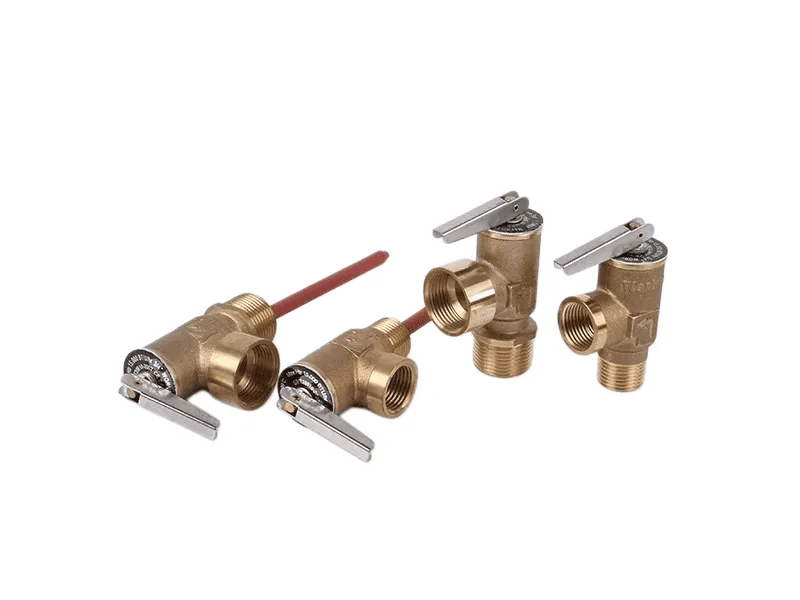
That brass valve on the side of your water heater with the little lever and the pipe running down toward the floor is the temperature-and-pressure relief valve — the TPR valve. It is the single most important safety device on the tank. When pressure or temperature climbs too high, it opens and dumps water to prevent a catastrophic tank failure. So when you notice it dripping, the question is never just "how do I stop the drip" — it is "why is this safety device activating, and what is it protecting me from?"
A dripping TPR valve is one of the most common water heater service calls in Valrico, and the causes range from a five-minute fix to a warning of serious trouble. This guide sorts them out.
What the TPR Valve Does
Water heaters are sealed pressure vessels. Under normal operation, pressure stays in a safe range. But a failed thermostat can overheat water, thermal expansion in a closed plumbing system can spike pressure, and a malfunctioning gas valve can overfire the burner. The TPR valve is engineered to open at a set pressure or temperature threshold, releasing water through its discharge pipe until conditions normalize, then reseat and close. It is purely mechanical — no power, no electronics — which is exactly what you want in a last-resort safety device.
The discharge pipe must run downward and terminate near the floor (or to an approved drain), with no valve, cap, or obstruction. Its whole purpose is an unobstructed escape path. If yours is capped, plugged, or missing — fix that before anything else.
Why TPR Valves Drip: The Causes
- Thermal expansion pressure. The most common cause in Valrico homes with closed plumbing systems (pressure-reducing valve or check valve on the main). Each heating cycle spikes pressure; the TPR weeps to relieve it. The real fix is a working expansion tank, not a new TPR valve.
- Excessive incoming water pressure. If municipal pressure is too high or the PRV has failed, baseline pressure sits near the valve's threshold and normal heating pushes it over. A gauge on a hose spigot tells the story.
- Overheating from a failed thermostat. Water above the safe range forces the temperature side of the valve open. Check tap temperature — if it is scalding, shut the heater down.
- A worn-out valve. TPR valves age. Mineral deposits from hard water prevent clean reseating after a discharge, so a valve that opened once during a pressure event now weeps forever. Valves should be replaced every few years as maintenance.
- Debris under the seat. Sediment flushed through the system can lodge in the valve seat after testing or a discharge event.
Notice the pattern: in most cases the valve is the messenger, not the problem. Replacing a dripping TPR valve without addressing expansion pressure or overheating just produces a new dripping valve. Accurate diagnosis — available through our TPR valve service — starts with finding why it opened.
Testing Your TPR Valve
Annual testing is standard maintenance: place a bucket under the discharge pipe, lift the test lever gently until water flows, then release it. Water should flow while lifted and stop fully when released. If nothing flows, the valve may be seized or the discharge pipe blocked — replace the valve. If it keeps dripping after the test, debris is under the seat or the valve is worn — try operating the lever once more to flush it; if dripping persists, replace the valve.
Test with care: the discharged water is hot, and on an old valve that has never been tested, the test itself can disturb a valve into leaking. That is still useful information — a valve that cannot survive its own test needed replacing anyway — but be prepared for that outcome.
What Never to Do
Three prohibitions, all serious. Never cap, plug, or restrict the discharge pipe. Disabling the tank's pressure relief turns a manageable problem into a potential tank rupture. Never ignore heavy or continuous discharge. A valve dumping significant water is responding to dangerous conditions — shut the heater down (power/gas off, inlet valve closed) and call immediately. Never repeatedly reset around the problem — if a new valve starts dripping too, the system pressure or temperature is the issue, and it needs solving, not another valve.
Replacement and the Expansion Tank Connection
When the valve itself is worn, replacement is straightforward: shut down and cool the tank, relieve pressure, unscrew the old valve, thread in the new one with sealant, and test. But the essential follow-up question is whether an expansion tank is present and functional. In closed-system Valrico homes, a new TPR valve without expansion control is a temporary fix — the pressure spikes that killed the old valve are still happening every heating cycle. The complete repair addresses both.
Thermal Expansion: The #1 Reason TPR Valves Drip in Valrico
When a TPR valve drips in a Valrico home, the valve is usually innocent — thermal expansion is the culprit. Here is the mechanism: water expands about 4 percent when heated. In an open plumbing system that extra volume pushes back into the municipal main. But most Valrico homes have pressure-reducing valves, check valves, or backflow preventers that create a closed system, and in a closed system the expanded water has nowhere to go. System pressure spikes with every heating cycle, and the TPR valve — set to open at 150 PSI — does exactly what it was designed to do: it relieves the pressure by dripping.
The signature is unmistakable once you know it: the discharge pipe drips intermittently, often after the heater has been running (mornings, after laundry day), and the valve itself tests fine. Replacing the valve changes nothing, because the new valve faces the same pressure spikes. We see this constantly in Bloomingdale and Brandon homes where a PRV was installed without an expansion tank — the pressure fix created the expansion problem.
The real fix is an expansion tank on the cold water line near the heater, sized to the tank and pre-charged to match house pressure. It gives the expanded water somewhere to go — compressing an air cushion instead of hammering the system. If your TPR drips and your home has a PRV, check valve, or backflow preventer, check the expansion tank before replacing the valve: a waterlogged or ruptured expansion tank is the most common root cause we find. Our expansion tank guide covers sizing, charging, and testing in detail.
Replacing a TPR Valve: What the Job Involves
When the valve itself is genuinely worn — it dribbles constantly even at normal pressure and temperature, or it failed the lever test — replacement is the answer. It is a job a professional completes quickly, but it has steps that matter.
The heater is shut down first: power or gas off, cold water supply closed. The tank is partially drained — below the level of the TPR valve port, which sits near the top of the tank — so water does not pour out when the old valve is removed. The old valve unscrews from its port; the threads are inspected and cleaned, since corroded ports are common on older Valrico heaters. The new valve gets thread sealant or tape rated for the temperature, threads in snugly (not gorilla-tight — overtightening cracks the port), and the discharge pipe is reconnected.
Then the system is refilled, the valve is lever-tested to confirm it opens and reseats cleanly, and the heater is restarted. The whole job typically takes under an hour. What matters most is the diagnosis that precedes it: a valve replaced without addressing the underlying pressure or temperature cause will start dripping again within weeks. Any reputable technician tests system pressure and checks the expansion tank as part of a TPR replacement — if someone offers to swap the valve without those checks, get a second opinion.
Discharge Pipe Rules: What Code Requires
The TPR discharge pipe — the pipe running from the valve down toward the floor — has strict code requirements, and Valrico homes fail them more often than you would expect. The rules exist because this pipe carries scalding water or steam during a full discharge, and an improper pipe turns a safety device into a hazard.
The pipe must run downward by gravity (no traps or uphill sections that could hold water against the valve), terminate 6 to 24 inches above the floor or ground, and discharge to a visible location — not into a wall cavity or a hidden drain where a discharge would go unnoticed. It must be the same diameter as the valve outlet (no reductions), made of approved materials rated for the temperature (no PVC — it softens), and it must not have a shutoff valve or threaded cap on the end. Each of those restrictions exists because someone, somewhere, defeated the safety with exactly that modification.
Common violations we find: discharge pipes terminated inside walls during remodels, pipes reduced to a smaller diameter to "look neater," and pipes routed uphill into an attic. Any of these can prevent the valve from relieving pressure when it matters most. During a maintenance visit we check the discharge routing as a matter of course — it takes thirty seconds and it is one of the most important safety checks on the heater.
TPR Valve Dripping in Valrico?
Do not just replace the valve — find out why it opened. Water Heater Leak Repair Works diagnoses TPR issues correctly the first time. Call for a free estimate.
Frequently Asked Questions
Is a dripping TPR valve dangerous?
A light, intermittent weep usually signals a pressure issue to diagnose — not imminent danger. Heavy or continuous discharge is serious: shut the heater down and call immediately, as it indicates dangerous pressure or temperature.
Can I just replace the TPR valve myself?
It is a threaded part swap, manageable for experienced DIYers who safely shut down and cool the tank first. But if the underlying cause is expansion pressure or overheating, a DIY valve swap without diagnosis just repeats the problem.
How often should the TPR valve be replaced?
Test annually; replace every 3–5 years as preventive maintenance, or immediately if it fails a test, drips persistently, or shows corrosion. In hard-water areas, err toward the shorter interval.
Why does my new TPR valve still drip?
Because the valve was not the root cause. Thermal expansion in a closed system, excessive incoming pressure, or overheating will make any new valve drip. Check system pressure and expansion tank function.
Where should the discharge pipe terminate?
It should run downward and end near the floor or at an approved drain — within a few inches of the ground — with no threads, caps, or valves on the end that could restrict flow. It must be visible so discharge is noticed.